道 · THE WAY
The Path to a Stronger,
More Balanced You
DŌ — 道 — is The Way. Not a destination, but a living practice. A lifelong pursuit of balance across every dimension of who you are: body, mind, emotion, spirit, and beyond. Here, you do not chase perfection. You walk the path.
Eight dimensions. One path. Your way.
Begin The Way ↓
Eight Dimensions
Frameworks, reflections, and practices to weave all eight dimensions into your daily way of living.
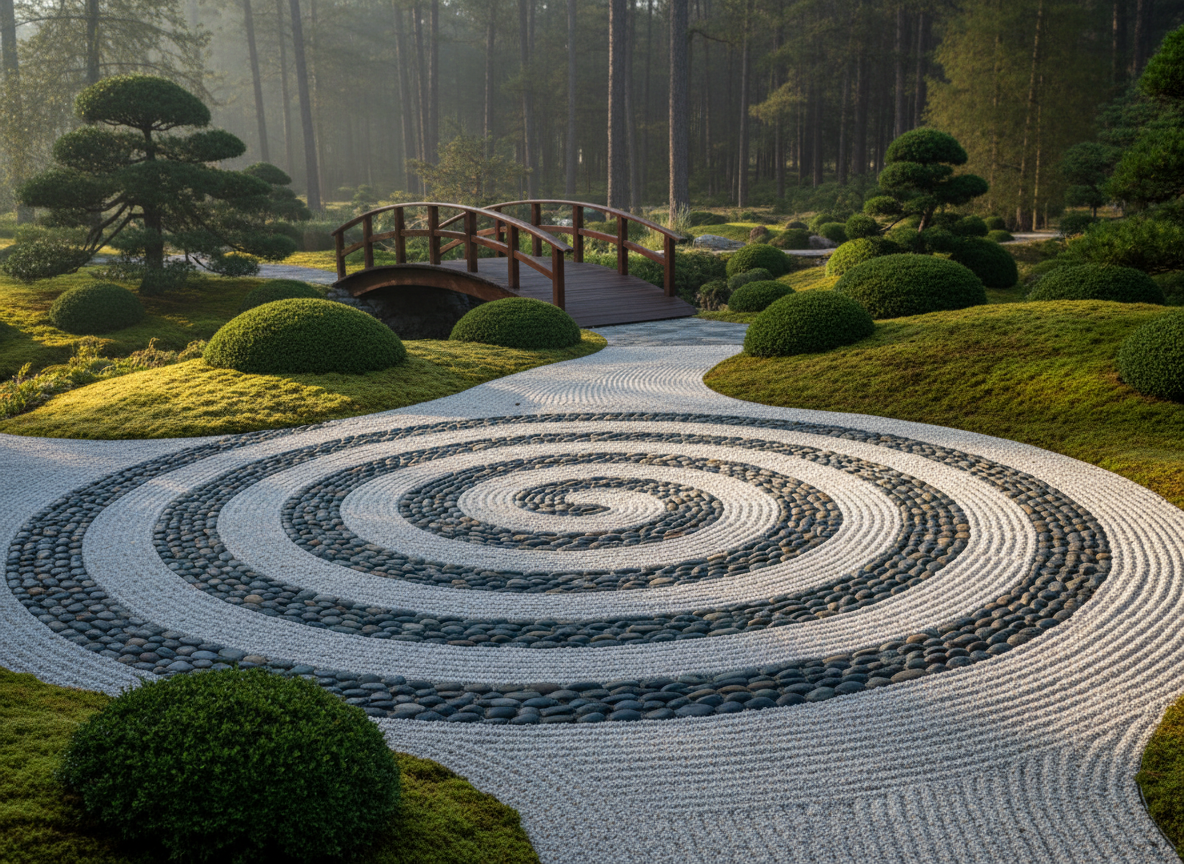
THE EIGHT DIMENSIONS
Your Wellness. Eight Ways.
Each dimension of DŌ is a pathway — not a box to check. Together they form the complete terrain of a life well-walked.
01 ◆ Physical
Physical
Movement is not a destination but a daily act of presence. Through mindful motion, rest, and nourishment, the physical dimension invites you to inhabit your body with care and intention. The Way begins beneath your feet.
Why It Matters
Your body is your most constant companion on The Way. Physical wellness is not about peak performance or an ideal form — it is about cultivating a relationship with your body built on respect, attentiveness, and daily care. When you tend to physical well-being with curiosity rather than judgment, you create a foundation that quietly supports every other dimension of your life.
Movement
Movement is medicine — and it belongs to everyone, in every form that fits your life. Walking, stretching, swimming, dancing, gardening, gentle yoga: all count. The practice is not to push harder but to move more often, with awareness. Notice how your body feels during and after motion. Let that sensation be your guide, not a number on a screen.
Nutrition
Nourishment is an act of self-regard. Walking The Way means approaching food with curiosity rather than restriction — exploring what genuinely fuels your energy, steadies your mood, and honours your cultural traditions. There is no universal prescription here, only the invitation to eat with a little more intention, and a little less noise from the outside world.
Sleep & Recovery
Rest is not the absence of effort — it is where renewal happens. Quality sleep anchors mood, cognition, immunity, and resilience. On The Way, recovery is treated as a discipline in itself: protecting sleep rhythms, allowing stillness, and resisting the cultural pressure to be perpetually productive. Tend your rest as faithfully as your activity.
Preventive Care
Caring for your body before it calls out for attention is a quiet form of self-respect. Regular check-ins with health practitioners, staying current with screenings, and listening to early signals from your body are all part of walking this dimension with awareness. Prevention is a practice, not a single event.
Daily Habits
Grand gestures rarely sustain well-being. What endures are the small, consistent choices woven into ordinary days — a morning stretch, a glass of water, a walk at midday, an earlier bedtime. On The Way, we call these practices rather than goals. They are the texture of a physical life tended with care, one unremarkable moment at a time.
Signs of Balance
- Waking with a sense of ease in your body most mornings
- Moving in some way each day without it feeling like a burden
- Eating in a way that leaves you feeling nourished, not restricted or guilty
- Sleeping enough to meet the day with some steadiness
- Noticing your body’s signals and responding with care rather than override
Ways to Grow
- Add one short walk to a day you normally stay still
- Replace one habitual food choice with something that genuinely nourishes you
- Set a consistent sleep intention for the next seven days
- Schedule a health check-up you have been putting off
- Spend five minutes at day’s end noticing how your body feels — without judgment
REFLECTION PROMPT
When did you last feel truly at home in your body — not performing, not pushing, simply present? What were you doing, and what made that moment possible?
02 ✦ Emotional
Emotional
To walk The Way is to feel fully — grief, gratitude, uncertainty, and joy alike. The emotional dimension cultivates the inner capacity to meet your experience without resistance or judgment. Here, awareness becomes the practice, and feeling becomes a form of wisdom.
Why It Matters
Your emotional life is not a problem to be managed — it is a landscape to be known. Emotional wellness is the capacity to recognise, honour, and navigate the full range of human feeling without being overwhelmed or shut down by it. When you walk this dimension with care, you develop an inner steadiness that quietly anchors every other part of your life.
Emotional Awareness
Awareness begins with noticing — pausing long enough to ask, what am I feeling right now, and what might it be telling me? This is not analysis or self-criticism, but a quiet, curious attention to your inner weather. Like any practice on The Way, emotional awareness deepens with repetition, patience, and a willingness to sit with uncertainty.
Healthy Expression
Feelings that find no outlet tend to find their own way out, often in ways we would not choose. Healthy expression is the practice of giving emotion a voice — through conversation, creative work, movement, journaling, or simply naming what you feel. It is not about performing emotion for others, but about honouring it honestly within yourself and with those you trust.
Stress Management
Stress is not a sign of weakness — it is a natural response to the demands of a full life. Walking The Way means developing a personal repertoire of practices that help you return to steadiness: breathing, movement, rest, connection, solitude, or whatever genuinely settles you. The goal is not to eliminate stress, but to move through it with more grace and less self-recrimination.
Coping Skills
Coping is not avoidance — it is the art of meeting difficulty without being consumed by it. Skilful coping draws on a range of tools: reaching out for support, reframing a situation with compassion, setting a boundary, allowing yourself to grieve. On The Way, we cultivate these skills not because hard times can be prevented, but because they can be met with greater resource and less isolation.
Resilience
Resilience is not the absence of falling — it is the slow, faithful practice of returning. It grows not in spite of difficulty, but through it, when we allow ourselves to be supported, to learn, and to begin again without shame. On The Way, resilience is understood as a collective as much as an individual quality: we become stronger not only by enduring, but by being witnessed.
Signs of Balance
- Noticing your emotional state during the day without being overwhelmed by it
- Feeling able to name and express difficult emotions with some degree of honesty
- Recovering from setbacks or conflict without prolonged rumination
- Experiencing moments of genuine contentment, connection, or gratitude
- Seeking support when you need it, without shame or excessive self-reliance
Ways to Grow
- Name three emotions you felt today — without judging whether they were right or wrong
- Write a few sentences about a feeling you have been avoiding or pushing down
- Identify one stress in your life and one practice that genuinely helps you move through it
- Reach out to someone you trust and share something honest about how you are doing
- Spend five minutes in stillness — not to solve anything, but simply to notice what is present
REFLECTION PROMPT
Which emotion do you find most difficult to be with — and what would it mean to meet it with a little more curiosity and a little less judgment?
03 ○ Social
Social
We are shaped by the company we keep and the silences we share. The social dimension honours the threads of connection — family, friendship, community — that quietly sustain us. No one walks The Way alone.
Why It Matters
Human beings are not built for isolation. The social dimension recognises that our wellbeing is inseparable from our relationships — the quality of our connections, the safety of our communities, and the simple experience of being truly known by another person. When this dimension is tended, it becomes one of the most powerful foundations of long-term wellness.
Meaningful Relationships
Not all connection is equal. The social dimension asks not how many relationships you have, but how nourishing they are. Meaningful relationships are those in which you can be honest, where care moves in both directions, and where you feel genuinely seen — not performed for. These take time, intention, and a willingness to show up imperfectly.
Communication
The quality of our relationships is shaped by how we communicate within them. On The Way, this means listening with presence rather than preparation, speaking with honesty rather than performance, and learning to navigate conflict without contempt. Communication is a practice — and like any practice, it deepens with attention and patience.
Support Systems
A support system is the network of people, resources, and relationships you can turn to when life becomes difficult. Building one is not a sign of weakness — it is an act of wisdom. It includes close friends and family, professional support when needed, community, and the simple practice of letting others in before you reach a point of crisis.
Belonging & Community
Belonging is more than membership — it is the felt sense of mattering to a group, of being welcome as you actually are. The social dimension invites you to seek and create communities where you can contribute, be known, and grow. This might be a neighbourhood, a faith community, a shared interest group, or the DŌ community itself.
Healthy Boundaries
Boundaries are not walls — they are the honest expression of what you need in order to show up fully in relationship. Setting them with clarity and compassion protects both you and the people you care about. On The Way, boundaries are understood as an act of respect: for yourself, and for the integrity of your relationships.
Signs of Balance
- You have at least one person you can speak honestly with
- Relationships in your life generally feel reciprocal rather than draining
- You can ask for help without it feeling like failure
- You experience a sense of belonging in at least one community or group
- Conflict, when it arises, can be navigated without lasting damage
Ways to Grow
- Reach out to one person you have been meaning to reconnect with
- Practise listening in your next conversation without preparing your response
- Identify one relationship that consistently drains you, and consider what a healthy boundary might look like
- Join or return to a community — in person or online — that aligns with your values
- Ask someone you trust: how do you experience me in our relationship?
REFLECTION PROMPT
Who in your life makes you feel most fully yourself — and when did you last let them know what that means to you?
04 ✿ Spiritual
Spiritual
Beyond belief and ritual lies a deeper orientation toward meaning, purpose, and the sacred in the ordinary. The spiritual dimension is not about answers, but about learning to sit with the questions. It is the still point at the centre of the ensō.
05 △ Intellectual
Intellectual
A curious mind is a moving mind. The intellectual dimension nurtures the love of learning, reflection, and the slow art of changing your thinking. It asks: what are you still willing to discover?
06 ◇ Occupational
Occupational
Your work — paid or unpaid, visible or invisible — is an expression of who you are becoming. The occupational dimension explores alignment between effort and meaning, and the dignity of contribution. Walk with purpose.
07 ▬ Financial
Financial
Ease around money is a form of wellness. The financial dimension is not about wealth, but about clarity, sufficiency, and the peace that comes from knowing your resources serve your life. Tend this ground with honesty.
08 ◉ Environmental
Environmental
You are inseparable from the spaces you inhabit. The environmental dimension attends to the quality of your surroundings — both the world outside and the world you create within. Where you dwell shapes how you move.
“The path is not ahead of you. It is beneath you, already.”
— DŌ: The Way
About
Seeing The Way As One
The Way is rarely hidden from us; more often, we are simply moving too quickly to see it. DŌ teaches us to notice the quiet places where growth is calling—the body asking for care, the mind seeking peace, the spirit searching for purpose. Seeing The Way does not mean knowing every step ahead. It means becoming aware enough to recognize the next one. Walk slowly, listen deeply, and trust that clarity often appears beneath the feet of those willing to move forward.

